
Discover The Wonder
Of Sri Lanka
All Tour Experiences
Explore Sri Lanka by travel style, from cultural escapes to wild adventures
Popular trips in Sri Lanka
Handcrafted itineraries loved and recommended by travelers worldwide
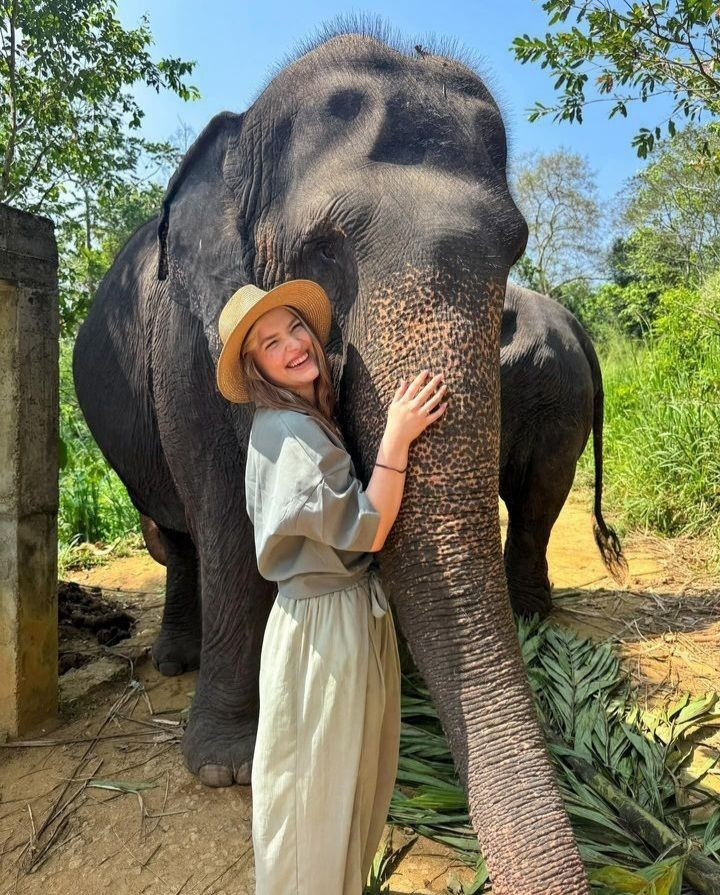
Your Dream Journey Across Sri Lanka, Always in Trusted Hands With Galora
Verified chauffeur guides, inspected private vehicles, and 24/7 dedicated on-ground care for your complete peace of mind.
Our StandardsSri Lanka At A Glance
Essential fast facts for effortless travel across the island
Commercial Capital
Colombo, Sri Lanka
Vibrant coastal hub with oceanfront promenades & dining.
Official Currency
Sri Lankan Rupee (LKR)
Major cards & contactless payments accepted across towns.
Island Timezone
GMT +05:30 (SLST)
Constant tropical daylight hours throughout the year.
Languages Spoken
English, Sinhala & Tamil
English is widely spoken across all hospitality & tourism services.
Tropical Climate
- Year-round sunshine across golden coastlines and sandy beaches
- Cool, refreshing mountain breezes in the misty central tea highlands
- Dual monsoons ensure one side of the island is always sunny and calm
Power & Connectivity
- Power & Sockets: 230V / 50Hz standard accommodating Type D & G square plugs
- Calling Code: +94 with high-speed 4G & 5G island-wide tourist coverage
- Population: 22 Million+ locals renowned worldwide for genuine warmth & hospitality
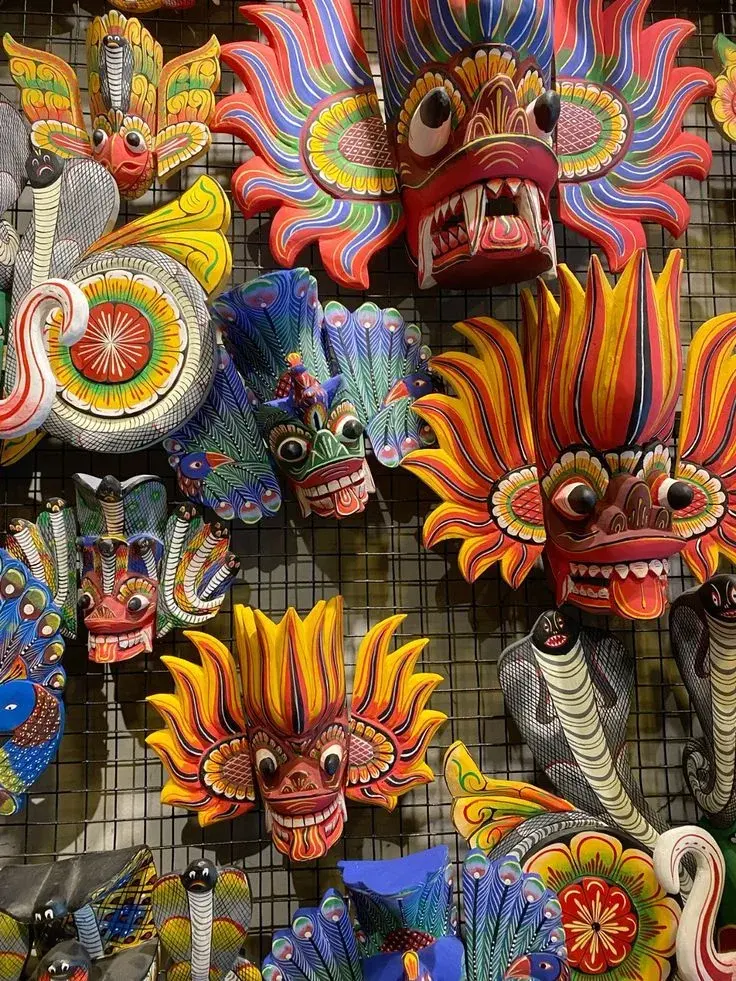
The Sacred Art of Sri Lankan Traditional Masks
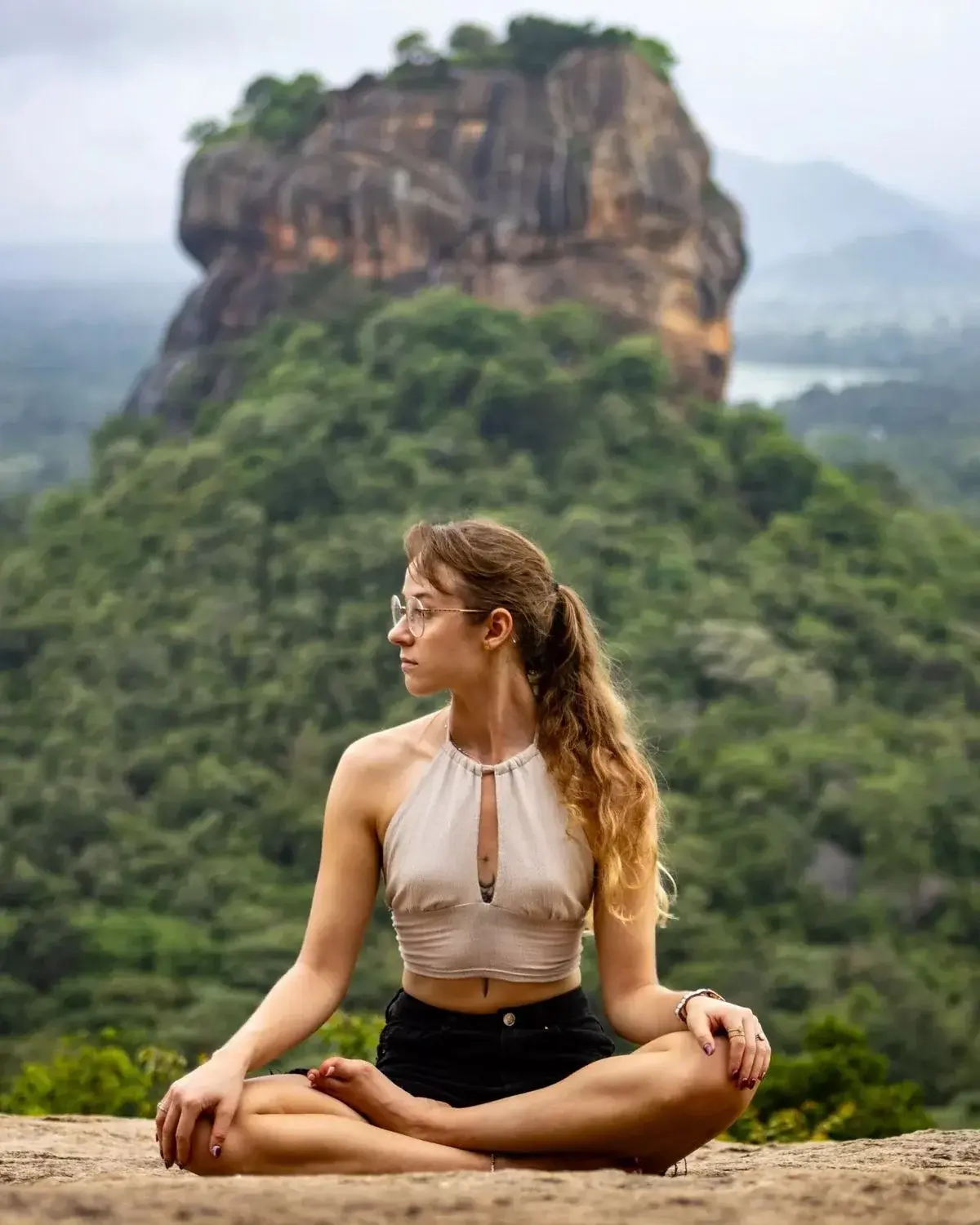
Sigiriya: The Eighth Wonder of the Ancient World
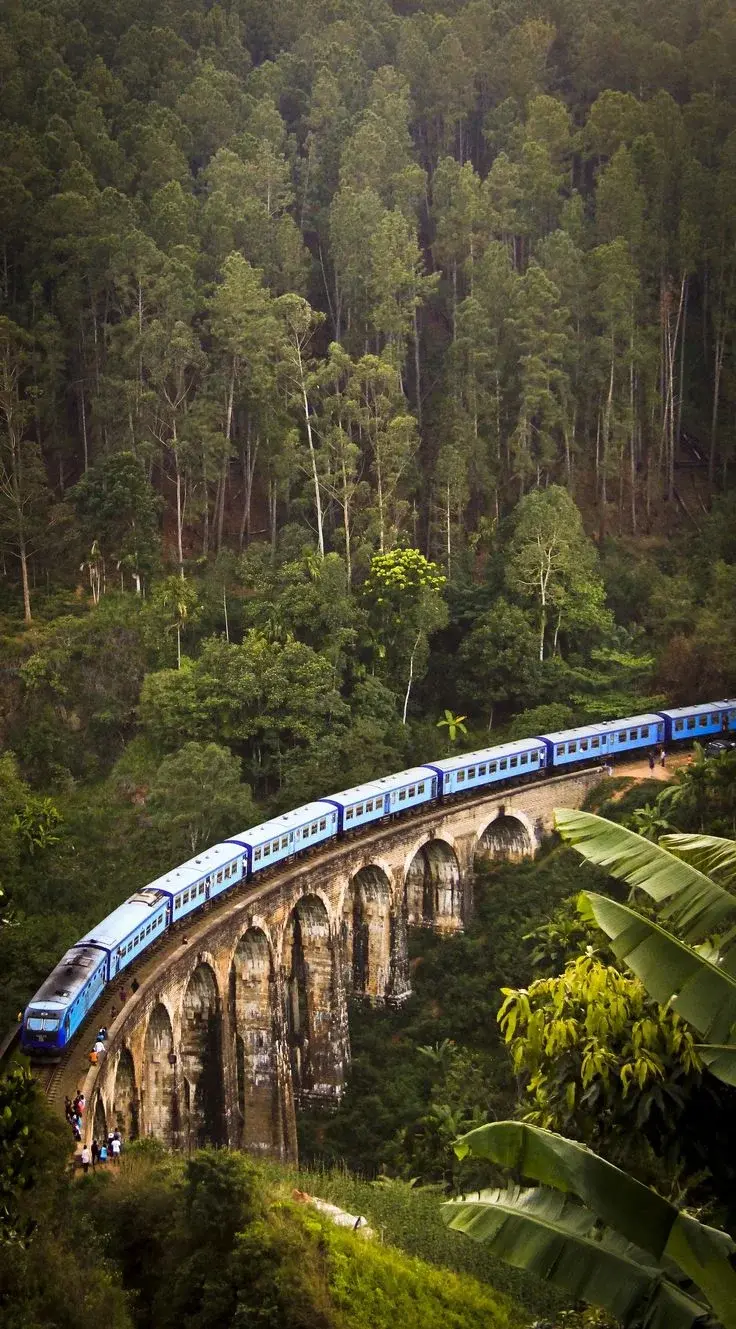
Ella: The Ultimate Highland Escape
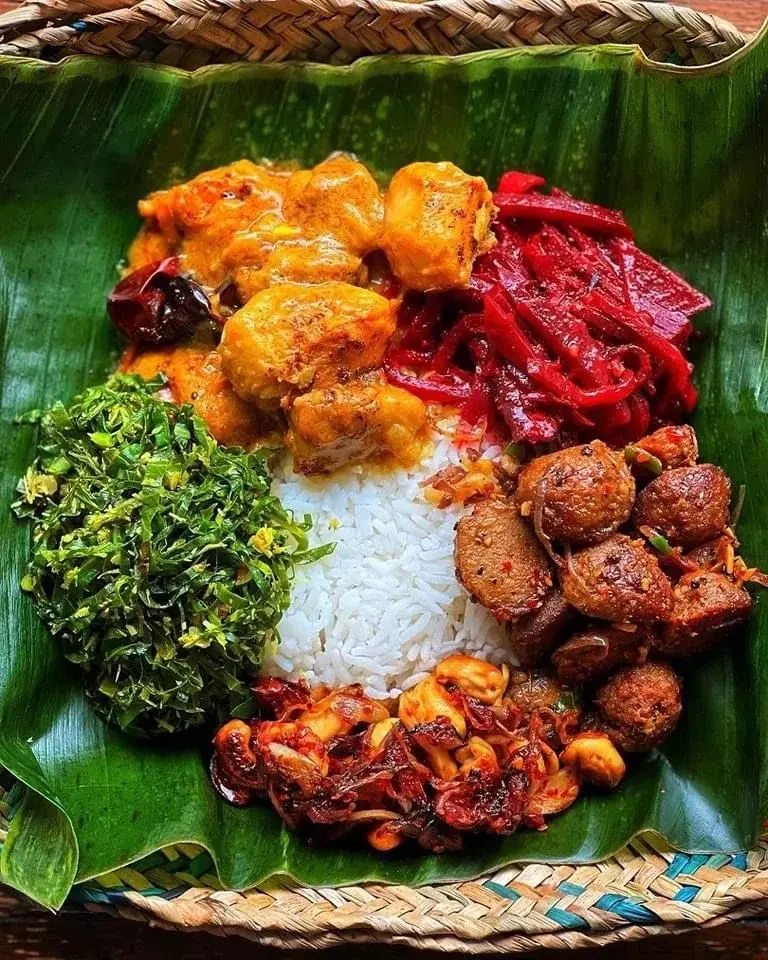
Sri Lankan Food: A Guide for First-Time Visitors
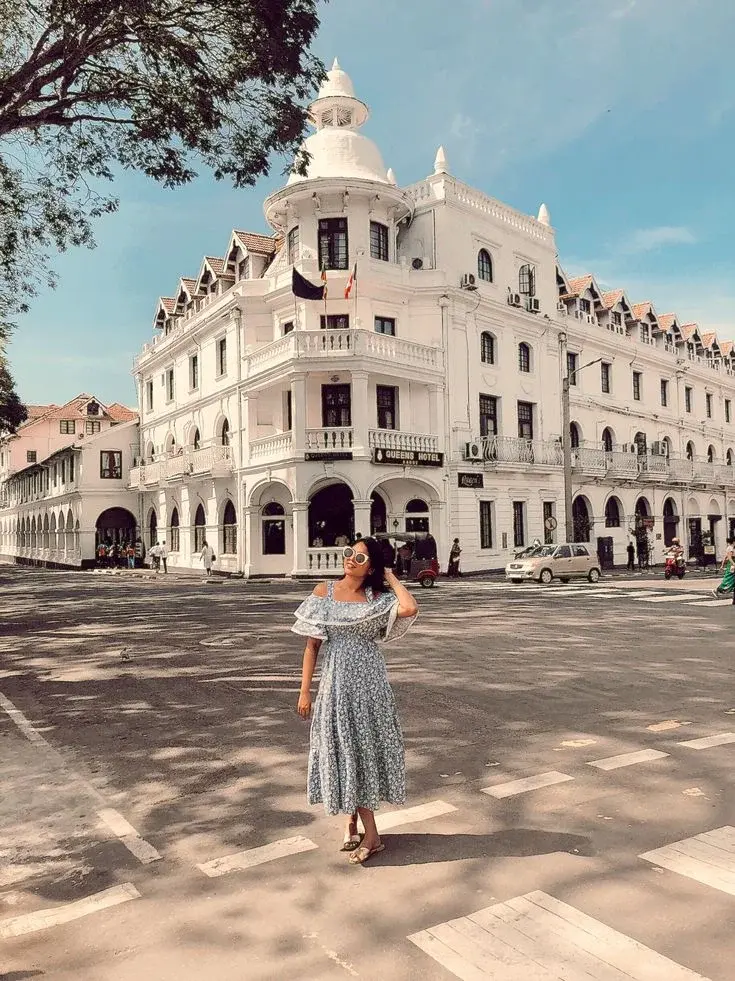
Kandy: Spiritual Heart of Sri Lanka
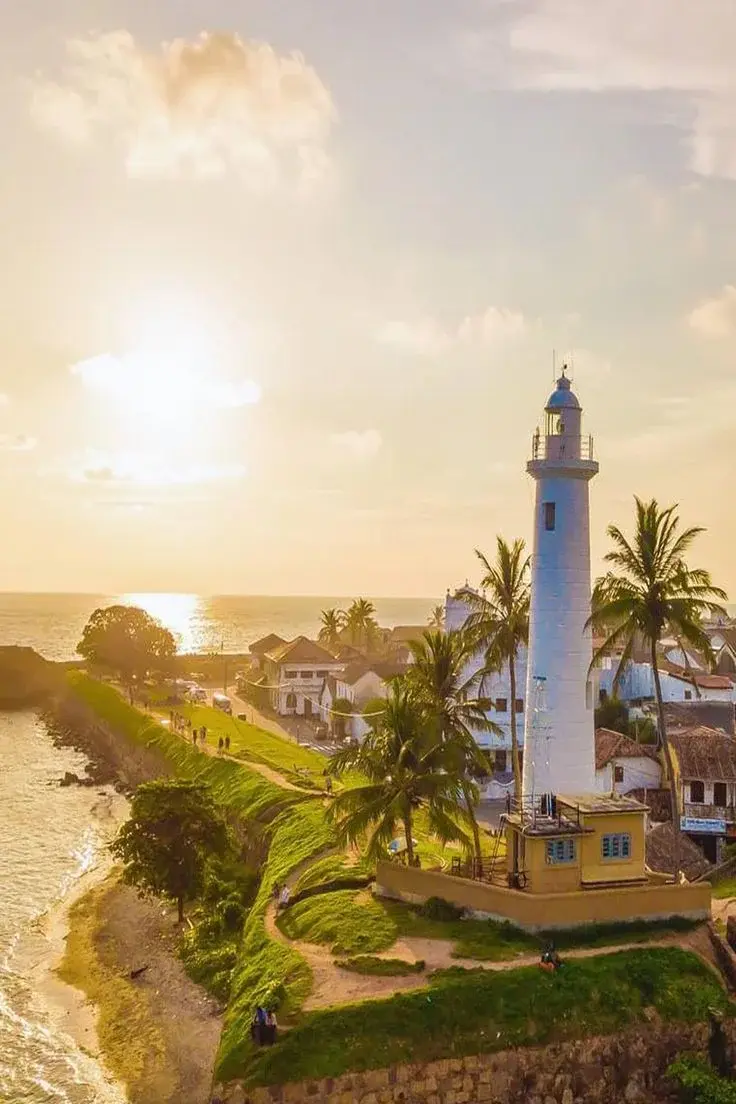
Galle Fort: Asia's Most Romantic Walled City
Frequently Asked Questions
Everything you need to know before your unforgettable journey to Sri Lanka.
Yes, most international travelers require an Electronic Travel Authorization (ETA) to enter Sri Lanka. You can easily apply online before your trip via the official government portal (eta.gov.lk), which is usually granted for 30 days. Ensure your passport is valid for at least 6 months from your arrival date.
Sri Lanka is a year-round destination thanks to its two opposing monsoon seasons. For the south and west coasts (Galle, Mirissa, Bentota, Colombo) and the cultural triangle, December to April offers the best weather. For the east coast (Trincomalee, Arugam Bay, Passikudah), May to September has sunny skies and calm seas.
Yes, Sri Lanka is celebrated as one of the safest and most welcoming travel destinations in South Asia. Locals are renowned for their warm hospitality. Standard travel precautions apply: keep your valuables secure, use licensed transport, and heed local safety advice when swimming in coastal areas.
Absolutely! Every itinerary can be tailored to your interests, travel pace, and budget. Whether you wish to add wildlife safaris, upgrade accommodations, add beach relaxation days, or include scenic train rides, our travel specialists will gladly customize your dream tour.
All our guided tour packages include private, modern air-conditioned vehicles (sedans, vans, or mini-coaches) with a dedicated, licensed English-speaking chauffeur-guide. Fuel, highway tolls, parking fees, and driver accommodation are fully included.
Yes! For packages exploring the Central Highlands, we pre-book reserved scenic train tickets between Kandy, Nanu Oya (Nuwara Eliya), and Ella. Your chauffeur-guide transports your main luggage ahead by vehicle and greets you at your arrival station.
Modest attire is strictly required at all religious sites. Both shoulders and knees must be fully covered for all genders. White or light-colored clothing is customary. Shoes and hats must be removed before entering temple grounds; slip-on footwear and socks (for sun-heated stone walkways) are recommended.
Tipping is customary and warmly appreciated, though not legally mandatory. A 10% service charge is often included on restaurant bills, but small extra tips for good service are welcomed. For private chauffeur-guides, a tip of 2,000–3,500 LKR ($7–$12 USD) per day is standard if you are happy with their service.
We strongly recommend drinking only sealed bottled mineral water, or purified and boiled water provided by your hotels. Avoid drinking tap water directly and be cautious with unsealed ice from small roadside stalls.
The local currency is the Sri Lankan Rupee (LKR). Major credit cards (Visa and MasterCard) are widely accepted in hotels, upscale restaurants, and supermarkets. However, cash is essential for tuk-tuks, local markets, street food, and small shops. ATMs accepting international cards are widely available across the island.